ADAI News & Events
November 2, 2020
Optum Center for Wellbeing Research Seeking Junior Research Scientist

The Optum Center for Wellbeing Research is looking for a Junior Research Scientist with strong project management skills and data analysis experience (master’s degree required, PhD preferred). OCWR does real-world research to improve the effectiveness and impact of health behavior change programs. Their work immediately informs the improvement of interventions that reach 100,000+ individuals across…
October 22, 2020
WATCH: Overdose Response During the COVID-19 Pandemic

This month stopoverdose.org at ADAI partnered with the King County Recovery Coalition, Washington Department of Health, Public Health-Seattle & King County, and a few WA State syringe exchange partners to host a webinar: Overdose Response During the Covid-19 Pandemic. Webinar topics included: Why overdose risk may be higher during the pandemic, statewide data on overdose deaths and trends,…
October 19, 2020
Resources for Overdose Response During the COVID-19 Pandemic
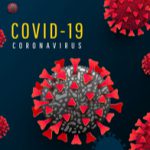
The following resources were compiled by Alison Newman, MPH, Continuing Education Specialist at ADAI. Care in Hospital Settings Overdose Response and Harm Reduction Treatment Safe Prescribing Prevention Substance use disorder Crisis Support Provider Consultation Data
October 12, 2020
Watch the Recording: Peer 2 Peer: Moving from Participant to Partnership in Research and Practice

Transforming our Communities: Health, Equity, and Justice for People Who Use Drugs (ToC), in partnership with BC CoLab, hosted a presentation and discussion via Zoom on October 1, 2020. The BC CoLab is a collaborative community laboratory on substance use and harm reduction. In the presentation, speakers shared experiences from several initiatives in which people who use drugs are partners in…
October 6, 2020
‘There Was Nothing to Help Me’: How the Pandemic Has Worsened Opioid Addiction (The Guardian)
Many addiction treatment centers around the U.S. have shut down or turned away patients because of the pandemic, as they struggle with financial losses and challenging safety protocols. At the same time, rising job losses, isolation, and cuts to resources for people in recovery have been cited as contributing factors to reported rises in opioid…
September 29, 2020
Kaiser Permanente WA Health Research Institute (Seattle) Seeking 2 Research Associates

Kaiser Permanente Washington Health Research Institute (KPWHRI), part of the NIDA CTN’s Health Systems Node, is seeking 2 full-time Master’s or PhD-level research scientists (Research Associate II or III) to collaborate on addiction- and pain-related research in health care settings. Competitive applicants will be interested in devoting 100% of research time to working on fast-moving teams led by…
August 27, 2020
August 31 is International Overdose Awareness Day
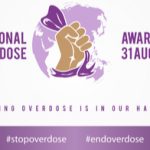
Monday, August 31, is International Overdose Awareness Day, a day to remember those we’ve lost to overdose. The goal of this day is to raise awareness of overdose deaths, and increase understanding of how to respond to overdose at an individual and community level. This email includes: resources for Overdose Awareness Day, upcoming webinars of interest,…
August 24, 2020
Telehealth Not Reaching Key Groups Suffering from Opioid Use Disorder

As COVID-19 cases continue to appear across the country, so too do opioid overdose deaths, with more than 40 states reporting recent increases in opioid-related mortality. While telehealth has been rapidly implemented and hailed as a way to provide safe care, it doesn’t seem to be working for all of those in need. ADAI Principal…
New Publications from ADAI Researchers

Here’s a sampling of recent articles published by ADAI researchers. For more, visit our Publications & Reports page. Need help finding a copy? Copy and paste the citation into an email and send to Meg Brunner, MLIS, Director of Information Services: meganw@uw.edu. Interest in reducing methamphetamine and opioid use among syringe services program participants in…
July 21, 2020
Webinar July 28: Decarceration and Connection to Care
ADAI’s Dr. Caleb Banta-Green will be part of a 3-person panel discussion on July 28th (12-1:30pm EDT) about decarceration and connection to care. Sponsored by the O’Neill Institute for National & Global Health Law at Georgetown Law, this webinar is part 4 of their “Applying the Evidence” series on jails and prisons as critical intervention…
Previous page Next page