Speakers
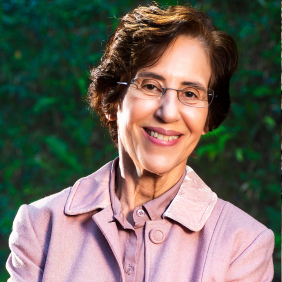
Beatriz Carlini, PhD, MPH
Director, Cannabis Education and Research Program (CERP)
Addictions, Drug & Alcohol Institute, University of Washington
Dr. Beatriz (Bia) Carlini, PhD, MPH, is a Research Associate Professor at the Addictions, Drug & Alcohol Institute, Department of Psychiatry & Behavioral Sciences. Since 2016, Dr. Carlini has led the ADAI Cannabis Research and Education Program (CERP). As CERP Director, Dr. Carlini has acted as the Program Chair of various symposia focused on emergent topics, including High-Concentration THC and the intersection of cannabis and psychosis, and she is member of the Scientific and Planning Committees for this event.
Dr. Carlini has been a pioneer in bringing awareness of the sharp increase in the availability and risks of high-THC content products brought by cannabis legalization in WA. More recently, Dr. Carlini has been focusing her research on cannabis-related adverse events among vulnerable populations and their impact and burden in WA health systems. She is particularly interested in the concerning increase of cannabinoid hyperemesis syndrome and cannabis-induced psychosis since cannabis was legalized for commercial purposes.

Heith Copes, PhD
Department of Criminal Justice
University of Alabama at Birmingham
Dr. Heith Copes is a Distinguished Professor of Criminal Justice at the University of Alabama at Birmingham. He received his PhD in sociology from the University of Tennessee in 2001. He uses qualitative methods and narrative theory to examine drug use and crime. He has published over 125 refereed journal articles in journals such as British Journal of Criminology, Criminology, European Journal of Criminology, Justice Quarterly, and Social Problems. He has been a visiting scholar and speaker at universities across the United States and Europe, including the University of Queensland, University of South Wales, Aalborg University, University of Oslo, and the Centre for Alcohol and Drug Research at Aarhus University. In 2025, he was a Scholar in Residence at the Max Planck Institute for the Study of Crime, Security, and Law. He received the Outstanding Educator Award from the Southern Criminal Justice Association. He also received the Ireland Award for Scholarly Distinction from the University of Alabama at Birmingham. He is the past president of the Southern Criminal Justice Associations. He is currently the Co-Editor of the journal Deviant Behavior.
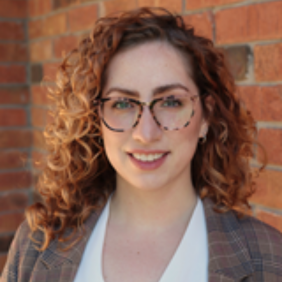
Marieka DeVuono, PhD
Addiction Research Group, Schulich School of Medicine & Dentistry
Western University, London, ON, Canada
Dr. Marieka DeVuono is a behavioral neuroscientist and Postdoctoral Fellow at Western University. Her research investigates how the endocannabinoid system regulates aversive states such as nausea, stress, and anxiety, and how early-life cannabinoid exposure reshapes brain development. DeVuono’s research is grounded in a central paradox: cannabis is therapeutically effective for nausea, but at higher doses or during development, it can cause it.
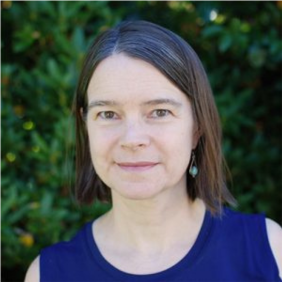
Sharon Garrett, MPH, MA
Addictions, Drug & Alcohol Institute
University of Washington
Sharon Garrett, MPH, MA, is a Research Scientist at the University of Washington’s Addictions, Drug & Alcohol Institute (ADAI) and Co-Director of the Cannabis Education & Research Program (CERP). Her work focuses on understanding the public health impacts of cannabis legalization in Washington State through collaborative multidisciplinary projects. She is particularly interested in examining how changes in cannabis product potency, cannabis policy, and patterns of use influence adverse health outcomes, as well as developing effective interventions that help reduce cannabis-related risks and promote safer use.
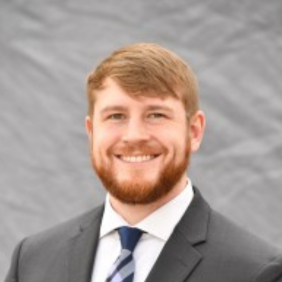
Nick Glodosky, PhD
Washington State Liquor and Cannabis Board
Dr. Nick Glodosky is a Research Specialist with the Washington State Liquor and Cannabis Board (LCB) Research Program. He received his doctorate in experimental psychology from Washington State University, where he applied translational research methods and advanced statistics to investigate the short- and long-term effects of cannabis use on stress and mental health. With the LCB Research Program, Dr. Glodosky’s research focuses on public health and safety outcomes related to the products, policy, and regulation of cannabis, alcohol, tobacco, and vapor.
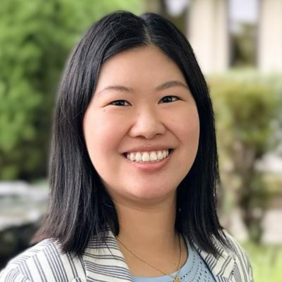
Jennifer Hsu, DO
UW Valley Medical Center
Dr. Jennifer Hsu, DO, is a consultation-liaison psychiatrist. She is a board-certified general psychiatrist who has also completed fellowship training in consultation-liaison psychiatry, also known as psychosomatic medicine. She enjoys caring for patients with co-occurring medical and psychiatric concerns. She also has an interest in trauma-informed care.

Christine M. Lee, PhD
Center for the Study of Health and Risk Behaviors (CSHRB)
University of Washington Department of Psychiatry & Behavioral Sciences
Christine Lee’s scholarly interests focus on the etiology and prevention of substance use behaviors and consequences during adolescence and young/early adulthood. She has developed a highly successful portfolio of work bridging developmental, social, and motivational theory with applied prevention and intervention techniques to strategically address high-risk behaviors during the transition to adulthood. Lee’s research addresses important questions regarding how recent marijuana legislation in Washington State impacts young adult marijuana use and consequences; what motivates young adults to engage in alcohol and marijuana use; how alcohol expectancies, alcohol use and consequences are linked in a natural feed-forward process that maintains high-risk behaviors; how developmental transitions and event timing influence use; and what are efficacious prevention and intervention strategies and for whom and under what conditions are these most effective.

James A. Swartz, PhD
Jane Addams College of Social Work
University of Illinois, Chicago
Dr. James Swartz is a clinical psychologist by training and presently Professor and Interim Associate Dean for Research at the Jane Addams College of Social Work. For over thirty years, his research has centered around substance misuse, including the epidemiology and treatment of substance use and substance use disorders (SUD) in disadvantaged or stigmatized populations. Swartz’s most recent work has focused on the opioid epidemic and studying ways to reduce associated overdoses and fatalities as well as on assessing the public health effects of legalizing recreational cannabis use in Illinois.
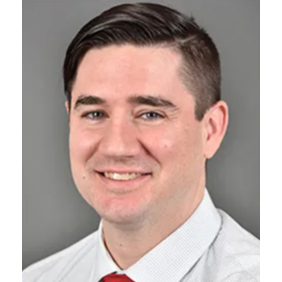
Michael S. Toce, MD, MS
Boston Children’s Hospital, Boston, MA
Dr. Michael Toce is an attending in the Boston Children’s Hospital Emergency Department and works as a Medical Toxicologist at the Massachusetts/Rhode Island Poison Control Center. He also conducts research that focuses on pediatric toxicology and emergency medicine, with an emphasis on adolescent substance misuse and substance use disorder. He has published on the association of state opioid reduction policies and naloxone access laws with pediatric opioid poisonings, as well as the relationship between cannabis legalization and cannabis hyperemesis syndrome.
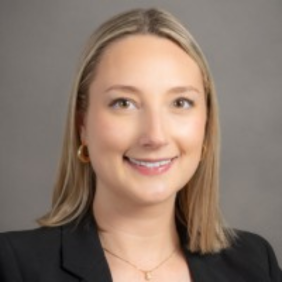
Katherine Walukevich-Dienst, PhD
Center for the Study of Health and Risk Behaviors (CSHRB)
University of Washington Department of Psychiatry & Behavioral Sciences
Dr. Walukevich-Dienst is a licensed clinical psychologist and an Assistant Professor at the University of Washington. Her research is focused on identifying psychosocial and contextual factors associated with alcohol and cannabis misuse and co-use among young adults, including social influences (e.g., romantic partners, use partnerships), affect management motives, co-occurring mental health concerns, and high-risk substance use events and contexts. Dr. Walukevich-Dienst aims to leverage this information to develop and test innovative, technology-informed prevention and intervention efforts to disseminate in real world settings. She also provides psychotherapy to patients at the University of Washington’s Outpatient Psychiatry Clinic and provides supervision and training to psychology graduate students and psychiatry residents in Cognitive Behavioral Therapy.
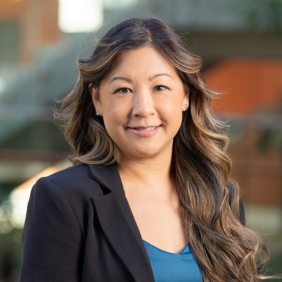
Kimberly Won, PharmD
Skaggs School of Pharmacy and Pharmaceutical Sciences
University of California San Diego, La Jolla, CA
Dr. Kimberly Won is a critical care and emergency medicine pharmacy specialist. Clinically, her research interests span across topics related to caring for critically ill patients in the ICU and emergency department, including drug monitoring, cardiac arrest, toxicities, pharmacokinetic changes, vasoactive medications, anticoagulation, sedation/delirium, acute kidney injury, hyperglycemic crisis and electrolyte abnormalities. In the didactic setting, Dr. Won also conducts research in interprofessional education and simulation-based learning.
Moderators & Discussants
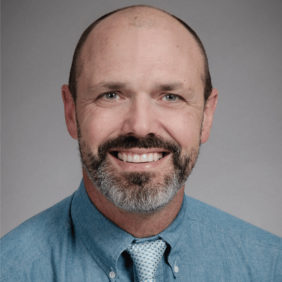
Chris Buresh, MD, MPH
Department of Emergency Medicine
University of Washington
Dr. Christopher Buresh is an emergency medicine physician and pediatrician. He sees patients at Harborview Medical Center and Seattle Children’s Hospital. His focus is on optimizing the care of adult and pediatric populations when they have acute time-sensitive injuries or illnesses. He also has an interest in understanding how policies, social structures, and economic factors impact people’s health, how they seek care, and their outcomes. Dr. Buresh strives to teach the next generation of emergency medicine doctors how to provide exceptional clinical care. Additionally, he helps them examine the ways that a patient’s social and economic realities that impact their health can be understood and addressed. Dr. Buresh is on the scientific committee for The Dose Makes the Poison”: Cannabis Hyperemesis Syndrome Goes Mainstream. He also serves as the co-medical director of the Washington Telebuprenorphine Hotline, helps with content and training for the Washington Addictions, Drugs and Alcohol Institute, and is a member of the AAP’s Committee on Substance Use and Prevention.
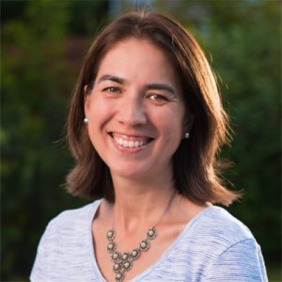
Mary Hatch, PhD
Addictions, Drug & Alcohol Institute
University of Washington
Dr. Mary Hatch is an Associate Professor at the Addictions, Drug & Alcohol Institute (ADAI), Department of Psychiatry & Behavioral Sciences, UW School of Medicine. Her research interests are in the development and testing of behavioral and pharmacologic interventions for substance use disorders and HIV prevention. Her work has focused on the intersection of substance use and HIV-related sex and drug use risk behaviors from both the individual and workforce perspectives, and on implementation factors that affect uptake of interventions. In addition to her research at the University of Washington, Dr. Hatch is a licensed clinical psychologist at the UWMC Outpatient Psychiatry Clinic. Her clinical work specializes in the treatment of drug and alcohol addictions and co-occurring depression, anxiety and trauma. Dr. Hatch is the Co-Director of the Pacific Northwest Node of the NIDA Clinical Trials Network. She is also the Director of the Clinical Trials Consultation and Technical Assistance Program (C-TAP).
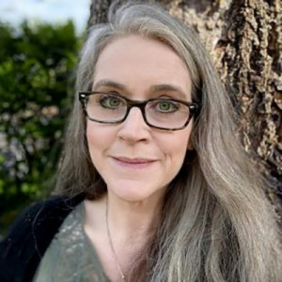
Susan Stoner, PhD
Addictions, Drug & Alcohol Institute
University of Washington
Dr. Susan Stoner is a Research Associate Professor at ADAI in the Department of Psychiatry & Behavioral Sciences of the University of Washington School of Medicine. She is an adjunct research associate professor in the Department of Psychology. A licensed clinical psychologist by training, Dr. Stoner first joined ADAI as a graduate student and completed her Ph.D. in adult clinical psychology at UW in 2003. After a period of conducting small business innovation research related to substance use and mental health disorders, she returned to ADAI in 2014 and authored several info briefs and fact sheets related to cannabis use as well as other substance use and use disorder-related topics. In 2020, Dr. Stoner became the Director of the Parent-Child Assistance Program (PCAP), a three-year case management program for individuals who have engaged in at-risk or hazardous substance use during pregnancy. In 2022, she became the Director of the Fetal Alcohol & Drug Unit, where she studies the impact of prenatal substance exposure across the lifespan. Dr. Stoner was subsequently appointed by the University of Washington Board of Regents as the holder of the esteemed Ann Streissguth, PhD Endowed Professorship in Fetal Alcohol Spectrum Disorders.

Jason Williams, PhD
Addictions, Drug & Alcohol Institute
University of Washington
Dr. Jason Williams has worked in the social sciences as an evaluator for many years at the University of Alaska, Anchorage, Casey Family Programs, and as an independent consultant. As a quantitative researcher, he works to inform public policy in areas such as poverty, obesity, child welfare, education, and now at ADAI, drug use epidemiology and intervention. Dr. Williams designed the Washington State Opioid/Major Drug Interactive Data website, a data visualization resource that offers a series of interactive data charts and maps featuring Washington state data related to overdose deaths, statewide opioid sales, and police evidence testing data for opioids, methamphetamine, and other drugs. He contributes to data collection and analysis of community drug checking results. Dr. Williams contributes to knowledge about cannabis use by analyzing crime lab, survey, sales, and wastewater testing data. He has been collaborating with the Cannabis Education & Research Program (CERP) in various projects. He compiled a comparison of survey methodologies that provided insights as to why different surveys produce different estimates of cannabis use. More recently, he contributed data acquisition and analysis to the state Liquor and Cannabis Board’s Disproportionately Impacted Areas project, studies of Washington high school student cannabis use, and exploration of statewide cannabis use, reports of adverse events, recall of cannabis package warning labels, and health beliefs about cannabis.
Acknowledgements
ADAI staff Symposium planning and logistics:
- Beatriz H. Carlini, PhD, MPH
- Sharon Garrett, MPH, MA
- Meg Brunner, MLIS
- Erinn McGraw, BFA
- Anya Way, UW undergraduate ADAI intern
- Sofia Del Fiol, B.S., ADAI volunteer
Video recording by UW TV | Catering by Bay Laurel UW
Funded by the University of Washington’s Cannabis Dedicated Account.