7-OH & Related Substances: What are they? Why do people use them? What medical approaches can help? (Updated 9/2/2026)
09/02/2026




Caleb Banta-Green, PhD, MPH, MSW; Mark Duncan, MD; Chris Buresh, MD, MPH; Maureen Oscadal, RN, MPH; Tom Hutch, MD; Mandy Sladky, MSN, RN. (Updated September 2, 2026)
A webinar on this topic was held on October 7, 2026.
Watch the recording here.
Key points
- Compounds in kratom, including 7-OH, are opioids that have been widely available and legal to purchase in most of Washington State. On August 26, 2026, the DEA made the sale and possession of three 7-OH related compounds by the general public illegal.
- These substances carry the risk of overdose, physical dependence, and use disorder.
- People use these substances for many different reasons; talk to your healthcare provider about what benefits and concerns you are having. Find resources at the end of this post.
We encourage people who have questions about any of these substances to talk to their healthcare provider and we encourage providers to call our Psychiatry Consult Line if they have any questions. — Mark Duncan, M.D.
What are kratom, 7-OH & related substances?
Kratom’s main components, mitragynine, 7-OH (7-hydroxymitragynine), and related substances, are opioids. They act on the same receptors in the brain as morphine, oxycodone, and fentanyl.
7-OH is a minor component of the kratom plant, but products sold as 7-OH and related substances are manufactured products that are sold and used in a highly concentrated form. Many 7-OH products are more than 100 times more concentrated than the amounts present in kratom itself.
Because kratom and 7-OH products are sold outside the regulated pharmaceutical system and are not subject to the same quality-control standards as FDA-approved medications, their contents and potency are often unpredictable. Research shows that many products sold as 7-OH often contain other opioid compounds such as the newly banned mitragynine pseudoindoxyl, commonly known as MGPI; these products are often not labeled as containing MGPI. Contents vary from product to product, are frequently mislabeled, and are often unknown, so people using them cannot be sure what or how much they are actually taking. 7-OH products have not been tested for safety and can lead to addiction and overdose.
What is the legal status of kratom, 7-OH & related substances?
On August 26, 2026, the United States Drug Enforcement Administration temporarily placed three 7-OH-related synthetic compounds into Schedule I for two years. This means that these three compounds are now illegal for any purpose. The botanical product kratom and 7-OH concentrated products remain unscheduled, meaning their use continues to be legal federally for all ages, though some municipalities have banned their sale. The DEA is separately considering temporarily scheduling 7-OH above a specified concentration or quantity threshold, but that process is still ongoing. The DEA’s scheduling decision combined with the complicated chemistry and frequent mislabeling of products creates a confusing situation for both sellers and consumers.
When a drug is banned, people who depend on it often switch to other, sometimes riskier, substances, raising the risk of overdose and other harms. In addition, the restrictions around Schedule I drugs make it very difficult to do research with them, preventing or delaying a full understanding of their potential therapeutic benefits and health risks.
Why do people use kratom and 7-OH substances?
People use 7-OH and other kratom-related products for many reasons including pain, anxiety, sleep, and energy. Some people who are dependent on opioids use it as an alternative to other opioids, like fentanyl.
The limited research available on why people use the substance is mostly specific to kratom, not 7-OH or related substances. There are several reasons for this, including: 7-OH products are relatively new, they may be sold as kratom, labels are often inaccurate, and medical records and overdose records often do not distinguish between 7-OH or related-substances and kratom.
7-OH and related compounds act on the same part of the brain as kratom’s main ingredient, but much more strongly, so we can expect similar, and likely greater, effects and risks.
People report both benefits and problems related to their 7-OH use. Some people report that 7-OH helps them function and others that it negatively impacts their ability to do the things they need and want to.
People often need to increase their dose of 7-OH to keep getting the effects they want (this is called tolerance). People also report negative side effects when they suddenly stop using 7-OH (this is called withdrawal); many of these effects are similar to stopping other opioids. Some people also report that they spend much more money than they want to, and often more than they can afford, on 7-OH.
Health care providers report success in working with people using 7-OH/kratom when they focus on patients’ motivations for use, addressing those concerns, while working to also address their substance use.
Can people overdose on Kratom, 7-OH and related substances?
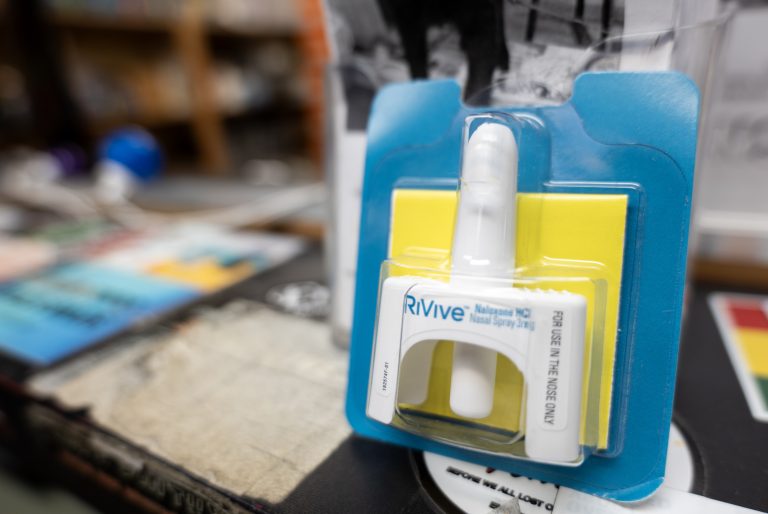
Yes. Because 7-OH compounds act like other opioids, they can cause heavy sedation and slow or stop breathing. The risk increases when 7-OH compounds are combined with other sedating substances, like alcohol, benzodiazepines, and other opioids. Risk also increases with higher doses of 7-OH compounds. The amount of 7-OH compounds in a product can often be more than what is on the label and some compounds may not be on the label.
Naloxone can help reverse the opioid effects during a 7-OH overdose.
What to do: If someone can’t wake up or respond, or is breathing too slowly, call 911 and give naloxone and rescue breaths. Stay with the person until help arrives.
What if I want to reduce or stop my kratom or 7-OH-related substance use?

Talk to your health care provider. Share with them the reasons you are using kratom or 7-OH substances and what’s going well and what isn’t. They can recommend ways to improve your health such as counseling, physical therapy, or mental health medications.
If your use feels out of control, you are having a hard time stopping, or your use is negatively impacting your life, you may have opioid use disorder. Opioid use disorder is treatable with medications, and many also benefit from counseling.
You can also call the WA Recovery Helpline at 1-866-789-1511 to discuss care options.
Resources
Prescribers can call the University of Washington Psychiatry Consult Line for guidance on using medications for opioid use disorder with 7-OH and kratom. Tel: 1-877-927-7924
WA Poison Center | 1-800-222-1222
A team of pharmacists, nurses, and doctors is available 24/7/365 for poisonings, medication mistakes, overdoses, accidental ingestions, and toxic exposures — it’s free and confidential.
WA Recovery Help Line | 1-866-789-1511
The Recovery Help Line is a program for help seekers in Washington State. Reach out 24/7 to get connected with treatment resources and support.
More information: Kratom & 7-OH: What do we know about use, safety, and overdose risk? From the University of Washington’s Addictions, Drug & Alcohol Institute